The matcha-powered mind: Your ultimate coffee alternative
01/29/2026 / By News Editors
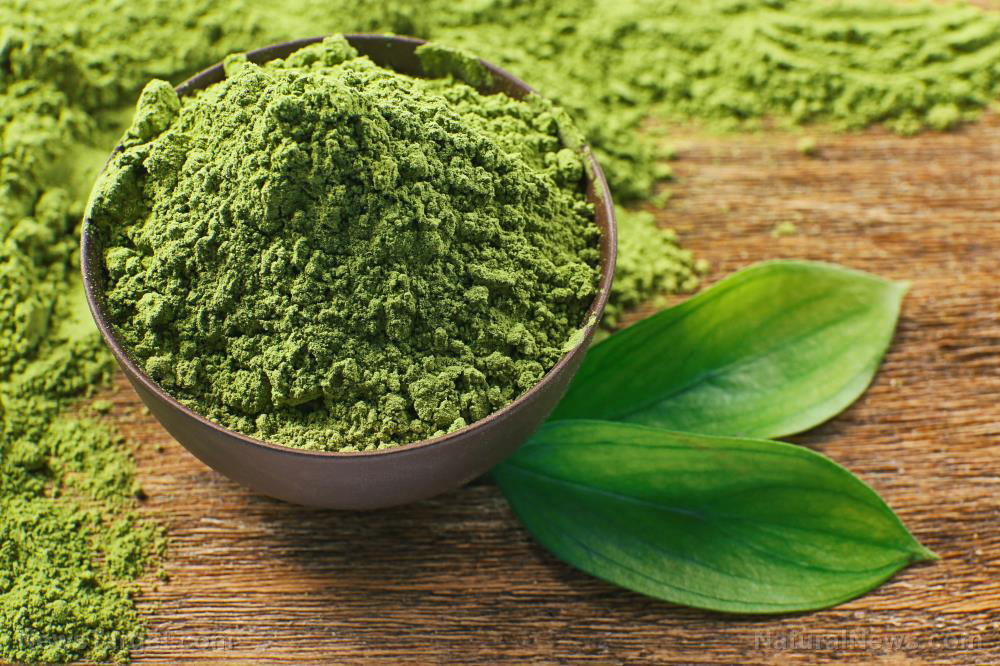
Are you tired of the jitters and crashes that come with your daily coffee habit? Ready to upgrade your morning brew to something that not only wakes you up but also supports your health and vitality? Look no further than the emerald green goodness of matcha!
(Article republished from GreenMedInfo.com)
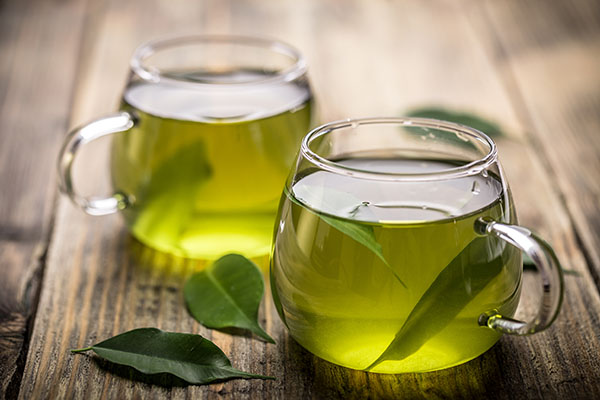
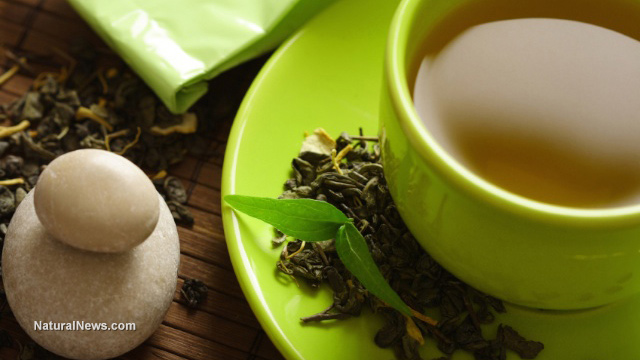
Matcha, the finely ground powder of specially grown and processed green tea leaves, has been a treasured part of Japanese tea ceremonies for centuries. But this ancient elixir is not just a pretty face – it’s a nutritional powerhouse that can elevate your mind, body, and spirit. Here’s why matcha is the ultimate alternative to coffee:
A Smooth, Sustainable Energy Boost
Matcha contains a unique combination of caffeine and L-theanine, an amino acid that promotes relaxation without drowsiness. This dynamic duo works together to provide a smooth, sustained energy boost without the jitters or crash that often comes with coffee. Plus, matcha actually contains more caffeine per gram than coffee! So you can say goodbye to those pesky withdrawal headaches.
Unlock Your Body’s Ancient Energy-Capturing Potential
Matcha is rich in chlorophyll, the green pigment that allows plants to harness the power of the sun. But did you know that your body has the ability to capture light energy too? It’s called photoheterotrophy, and it’s an ancient survival mechanism that allows your cells to directly absorb and use photonic energy.1
Chlorophyll is the key to activating this incredible ability. When you consume matcha, you’re essentially upgrading your mitochondria – the power plants of your cells – to solar panels! This can lead to improved energy production, reduced oxidative stress, and enhanced cellular resilience.2 Talk about a glow up!
Stress Less, Accomplish More
In today’s fast-paced world, stress can feel like a constant companion. But chronic stress can take a serious toll on your health and well-being. That’s where matcha comes in. The L-theanine in matcha has been shown to reduce stress and promote relaxation by increasing alpha brain wave activity.3
But matcha’s stress-busting powers don’t stop there. This green goddess is also packed with antioxidants called catechins, which have been shown to reduce cortisol – the stress hormone – and protect against the damaging effects of chronic stress.4 So you can tackle your to-do list with focus and clarity, without burning out.
Supercharge Your Matcha
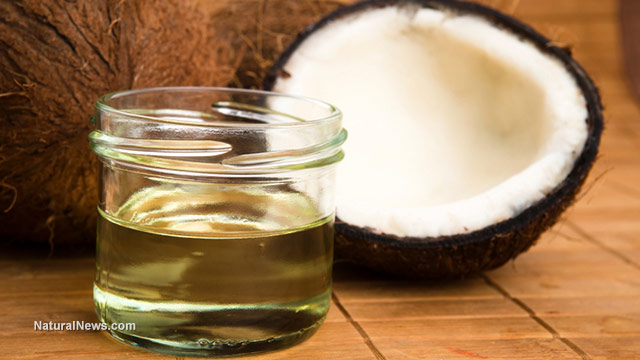
Ready to take your matcha to the next level? Try blending it with coconut milk or coconut oil for a creamy, brain-boosting elixir that puts bulletproof coffee to shame. The medium-chain triglycerides (MCTs) in coconut provide a quick and easy source of energy for your brain, while the healthy fats help to slow the absorption of caffeine for an even more sustained energy release.
And if you’re craving a touch of sweetness, add a drizzle of honey. Not only will it satisfy your sweet tooth, but the glucose in honey has been shown to enhance memory and cognitive function. It’s a win-win!
No matcha whisk? No problem! You can easily blend up a frothy cup of matcha with a regular blender or shake it up in a smoothie maker.
The Science Behind the Sip
Now that you’re excited about making matcha your new go-to beverage, let’s dive a little deeper into the science behind its superpowers.
The combination of caffeine and L-theanine in matcha has been shown to improve cognitive performance, particularly in the areas of attention and memory. A 2017 systematic review found that the L-theanine and caffeine combination improved alertness and attention-switching accuracy, while a 2019 study found that it enhanced sustained attention and memory.5
But what about those photoheterotrophic abilities we mentioned earlier? It may sound like science fiction, but it’s very real. A groundbreaking 2014 study published in the Journal of Cell Science found that mammalian cells can actually capture light energy and use it to produce ATP – the energy currency of the cell.1
The researchers found that by exposing mammalian cells and tissues to light in the presence of a chlorophyll metabolite, they could increase ATP concentrations and extend the lifespan of C. elegans worms. This suggests that dietary chlorophyll may play a significant role in supporting cellular energy production and longevity.1
But the benefits of chlorophyll don’t stop at energy production. Chlorophyll has also been shown to reduce oxidative stress and inflammation, two key drivers of chronic disease. A 2012 study found that chlorophyll supplementation reduced oxidative stress and inflammation in the livers of mice fed a high-fat diet.2
And let’s not forget about matcha’s stress-reducing properties. A 2018 randomized controlled trial found that daily consumption of matcha reduced stress and improved quality of life in nurses working in high-stress environments. The researchers attributed these benefits to the synergistic effects of L-theanine, caffeine, and antioxidants in matcha.3
Read more at: GreenMedInfo.com
Submit a correction >>
Tagged Under:
alternative medicine, food cures, food is medicine, food science, functional foods, health science, herbal medicine, herbs, matcha, natural cures, natural health, natural medicine, naturopathy, phytonutrients, remedies, tea, Xpost
This article may contain statements that reflect the opinion of the author
RECENT NEWS & ARTICLES